EPISODE 6 - Separate But Equal
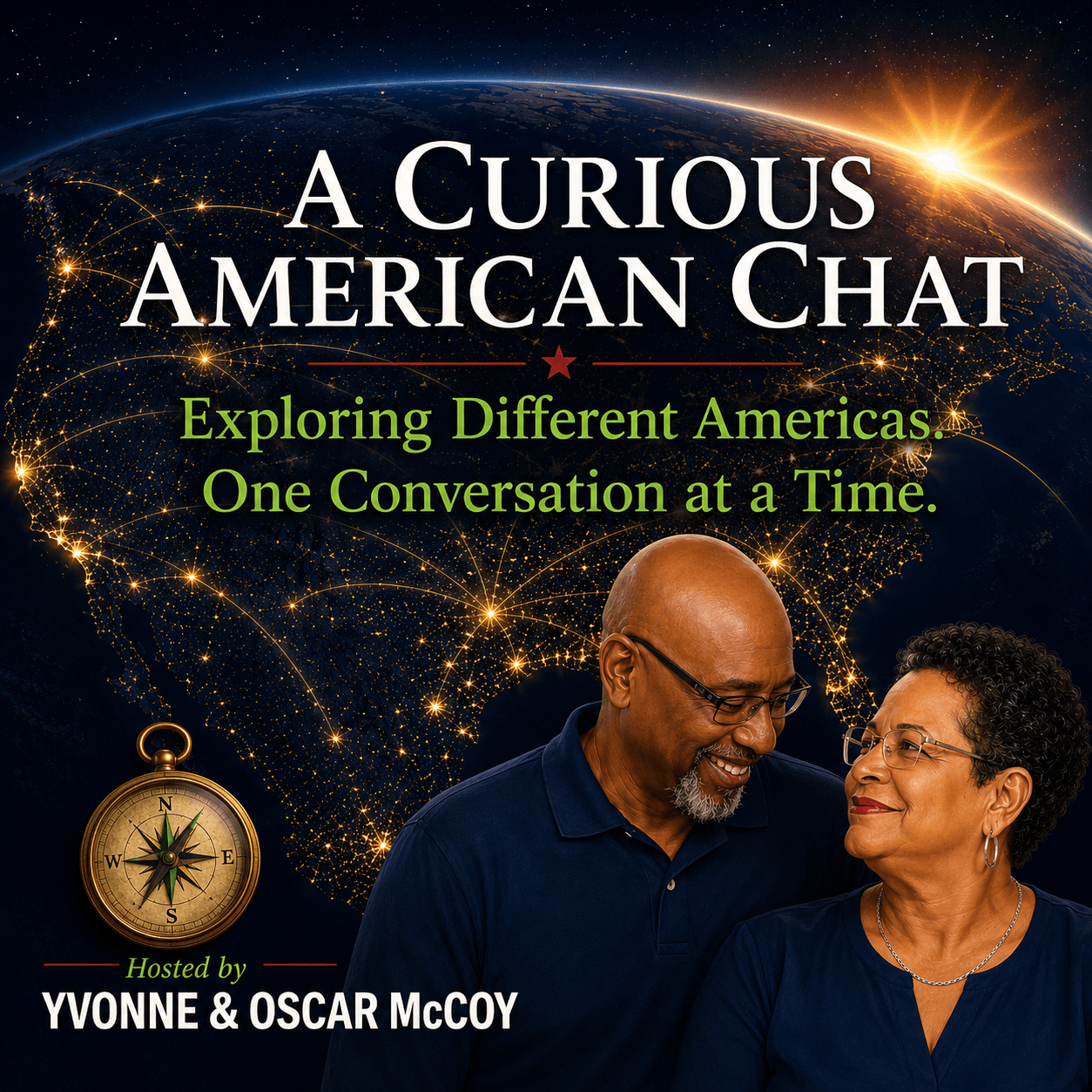
Why We Are Starting This Conversation
As America approaches its 250th birthday, I’ve found myself asking a simple question:
How did we get here?
Not just politically, but culturally, socially, economically, and personally.
To understand where we are, we have to understand how we got here.
And that requires curiosity. Not criticism. Not assumptions. Curiosity.
Because one thing I’ve learned is that people can live through the exact same moment in history and have completely different experiences. Same country.
Different moment in history. Different stories. Different perspectives. Different Americas.
Participation Matters
One of the greatest privileges we have is the ability to participate.
To learn.
To engage.
To vote.
To help shape what comes next.
It's a choice.
What was your family doing? What affects one, affects us all!
EPISODE 6 — "Separate But Equal"
If a law never technically takes a right away, but makes it impossible to use — is that still theft?
Two things can be true at once: the Supreme Court is supposed to protect rights — AND in 1896, it legalized taking them away.
Both things are true. Plessy v. Ferguson made segregation the law of the land under "separate but equal." Meanwhile, poll taxes, literacy tests, and grandfather clauses quietly gutted the right to vote without ever repealing it.
In this episode we talk about the rise of Jim Crow, the Supreme Court ruling that made it official, and the wave of lynching used to enforce it — plus names you should know:
Ida B. Wells, a journalist who sued a railroad over segregated seating in 1884, then became the nation's leading anti-lynching crusader after a mob burned her newspaper office down,
Granville T. Woods, "the Black Edison," who out-defended his own patents in court against challengers — including Thomas Edison himself, and
Booker T. Washington, who built the Tuskegee Institute out of one small building in 1881.
Oh — and that Supreme Court ruling that legalized segregation? It stood for 58 years, until Brown v. Board of Education overturned it in 1954.
Resources
🎬 Watch
Search "Ida B. Wells American Experience PBS" for the full PBS documentary.
Search "Granville Woods Black Edison" for short profile videos.
📚 Read
Southern Horrors: Lynch Law in All Its Phases by Ida B. Wells (1892)
Up From Slavery by Booker T. Washington (1901)
💻 YouTube — quick and free
Search "Plessy v. Ferguson explained" and "Jim Crow laws explained."
Search "Ida B. Wells anti-lynching crusade."
🔍 One Contributor Moment Separate But Equal
Granville T. Woods — dozens of railway/telegraph patents, 1880s–1900s; successfully defended them in court against challengers, including Thomas Edison.
#ACuriousAmericanChat #AmericanHistory #SeparateButEqual #HistoryRepeatsItself #DifferentAmericas #GetCurious