EPISODE 10 - Through TheBack Door
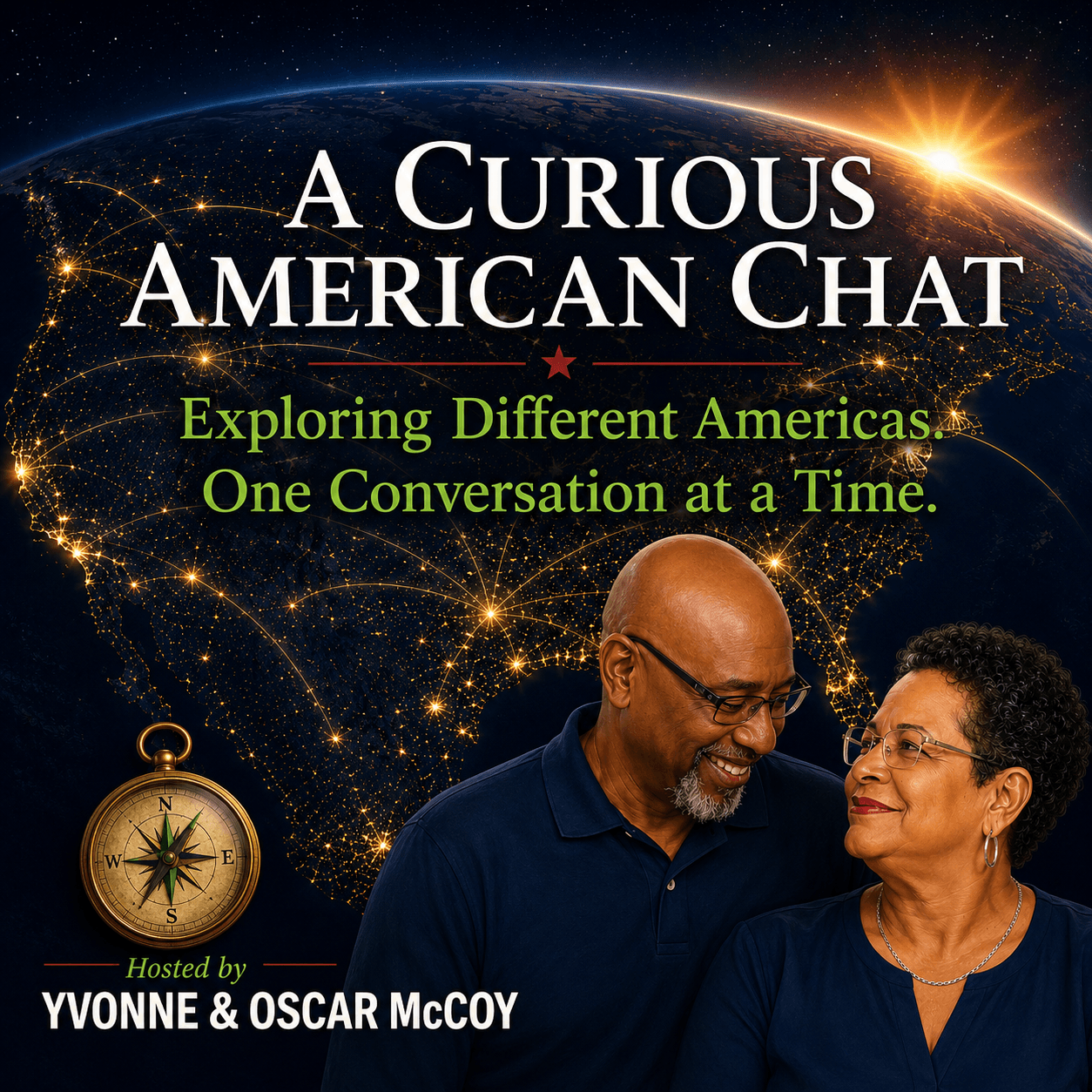
Why We Are Starting This Conversation
As America approaches its 250th birthday, I’ve found myself asking a simple question:
How did we get here?
Not just politically, but culturally, socially, economically, and personally.
To understand where we are, we have to understand how we got here.
And that requires curiosity. Not criticism. Not assumptions. Curiosity.
Because one thing I’ve learned is that people can live through the exact same moment in history and have completely different experiences. Same country.
Different moment in history. Different stories. Different perspectives. Different Americas.
Participation Matters
One of the greatest privileges we have is the ability to participate.
To learn.
To engage.
To vote.
To help shape what comes next.
It's a choice.
EPISODE 10 - Through The Back Door
If you're allowed in the room but not allowed through the front door, are you actually welcome?
Two things can be true at once: the 1920s produced a genuine economic boom — AND almost none of it reached Black Americans, by design.
Both things are true. Installment credit let white families buy cars and refrigerators; Black families faced predatory lending or outright denial. Redlining locked growing Black populations in Northern cities into the most neglected neighborhoods — legally, on paper.
In this episode we go back to add a layer to the Harlem Renaissance we've already told you about — including the Cotton Club, where Black musicians built the entertainment of the century for audiences that wouldn't let them sit in the crowd — and one name you should know:
• Bessie Smith, the highest-paid Black entertainer in America in the 1920s, whose actual death in 1937 got buried under a myth almost as soon as it happened.
Oh — that myth, about a white hospital turning her away? Biographers later proved it never happened. She died in a Black hospital after surgery. Sometimes even the true stories get an untrue ending, and that says something too.
And one more thing: brisket used to be a cut of meat slaveholders threw away. Enslaved and later free Black cooks in Texas turned it into what we now know as Texas barbecue.
Resources
🎬 Watch
• Search “Cotton Club history documentary” for short profile pieces on the club and its segregated audience policy.
• Search “Bessie Smith Empress of the Blues documentary.”
📚 Read
• Bessie by Chris Albertson — the definitive biography, including his own investigation debunking the hospital myth.
• Search “redlining history 1920s explained” for accessible overviews of how the practice worked.
💻 YouTube — quick and free
• Search “Don't Buy Where You Can't Work campaign history” and “Great Migration last hired first fired.”
🔍 One Contributor Moment — “They Excelled In Spite Of”
Zora Neale Hurston — anthropologist and author, central figure of the Harlem Renaissance, best known for Their Eyes Were Watching God (1937); died in poverty and obscurity, only rediscovered decades later.