EPISODE 17 — The Other Half of “We the People
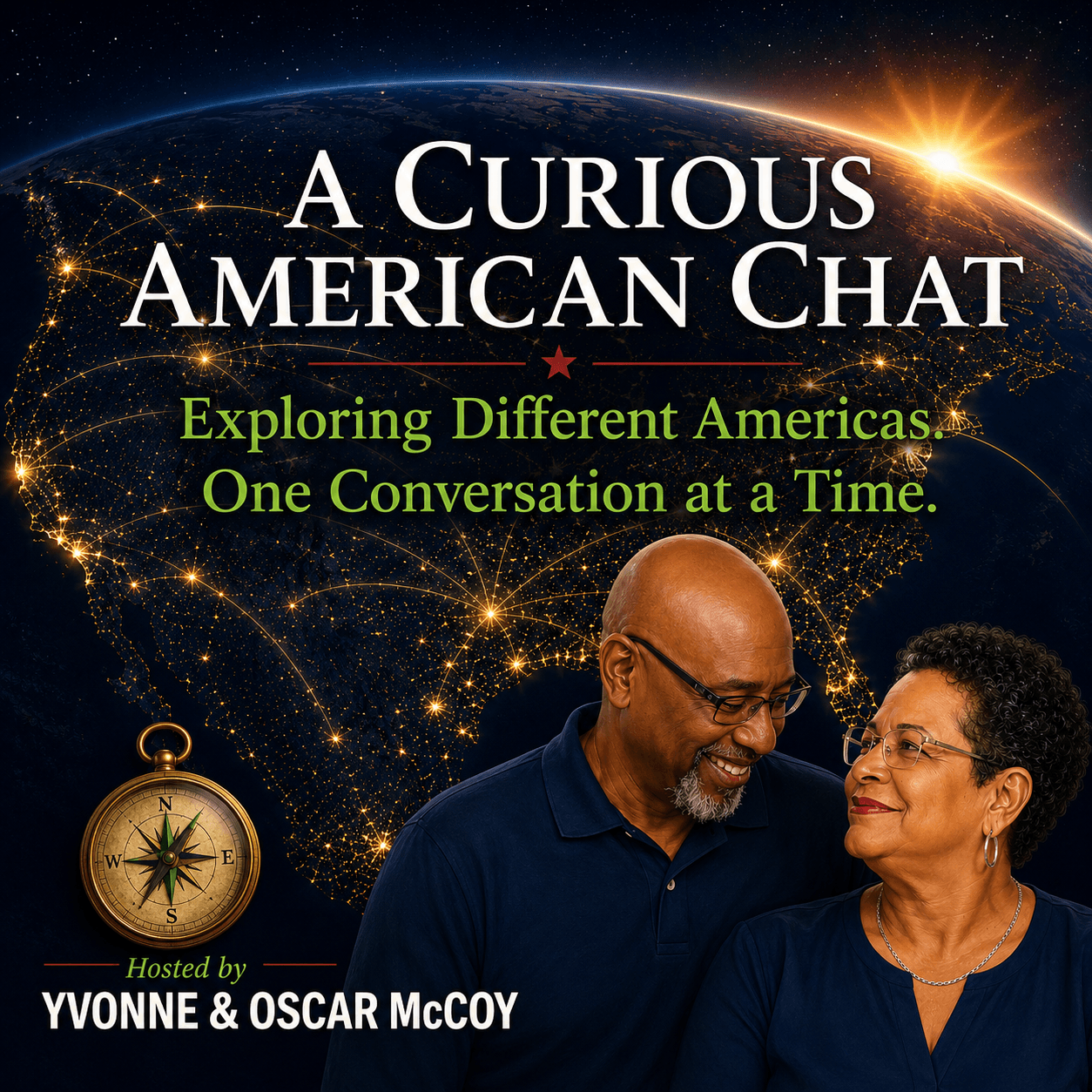
Why We Are Starting This Conversation
As America approached its 250th birthday, we found myself asking a simple question:
How did we get here?
Not just politically, but culturally, socially, economically, and personally.
To understand where we are, we have to understand how we got here.
And that requires curiosity. Not criticism. Not assumptions. Curiosity.
Because one thing I’ve learned is that people can live through the exact same moment in history and have completely different experiences. Same country.
Different moment in history. Different stories. Different perspectives. Different Americas.
Participation Matters
One of the greatest privileges we have is the ability to participate.
To learn.
To engage.
To vote.
To help shape what comes next.
It's a choice.
EPISODE 17
The Other Half of “We the People
In 1954 the Supreme Court said separate schools were unequal. What did that actually change for a family — and what did it cost?
Two things can be true at once: Brown v. Board of Education was a legal triumph — AND a city shut its high schools rather than integrate them. Both things are true.
In this episode we talk about Little Rock, the Greensboro sit-ins, the Voting Rights Act, and some of the personal costs of integration: a bullet through a window, 'twice as good,' a senior prom, and prejudice inside our own community.
Oh — in March 1965, 6.7 percent of eligible Black Mississippians were registered to vote. By September 1967 it was 59.8 percent.
This is our lived history!
Resources
🎬 Watch
• Not for Ourselves Alone (PBS, Ken Burns) — documentary on the women's suffrage movement.
• Chisholm '72: Unbought & Unbossed (2004) — documentary on Shirley Chisholm's presidential run.
• Iron Jawed Angels (2004, HBO) — dramatized film about the 1913 suffrage parade era. Good for the broad strokes, not the exact facts.
📚 Read
• Vanguard: How Black Women Broke Barriers, Won the Vote, and Insisted on Equality for All by Martha S. Jones.
• Crusade for Justice: The Autobiography of Ida B. Wells.
💻 Search — quick and free
• “Ida B. Wells Alpha Suffrage Club 1913 parade” (National Park Service).
• “Cable Act 1922 citizenship marriage” and “Indian Citizenship Act 1924.”
• “Shirley Chisholm National Archives” and “Equal Credit Opportunity Act 1974.”
What was your family doing? What affects one, affects us all!